post
Supreme Court Just Rewrote Voting Rights: Louisiana Black District Ruling Could Reshape Representation Nationwide

Written By Charron Monaye
In a landmark decision, the U.S. Supreme Court invalidated a second majority-Black congressional district in Louisiana, a move that voting-rights advocates warn could weaken one of the most important civil rights laws in modern American history. The case, Louisiana v. Callais, centered on whether the state’s redistricting plan, drawn to comply with the Voting Rights Act, relied too heavily on race.
The Court ruled that it did.
In doing so, the justices limited when race can be considered in drawing congressional maps and raised the threshold required to prove that minority voting power has been unlawfully diluted. Legal analysts say the decision could make it significantly harder to challenge district maps nationwide.
The History: Why the Voting Rights Act Mattered
The Voting Rights Act of 1965 was passed at the height of the Civil Rights Movement to dismantle systemic barriers that prevented Black Americans from voting. Before its passage, tactics such as literacy tests, poll taxes, intimidation, and racially manipulated district lines kept millions from meaningful political participation. The law changed that.
It outlawed discriminatory voting practices and, crucially, allowed courts to strike down district maps that diluted minority voting strength. Over decades, Section 2 of the law became a powerful tool to require states to create majority-minority districts when population numbers justified them. These districts helped increase Black representation in Congress and state legislatures.
What Happened in Louisiana
After the 2020 census, Louisiana—where Black residents make up roughly one-third of the population—had only one majority-Black congressional district out of six. A federal court ruled that map likely violated the Voting Rights Act and ordered the state to draw a second majority-Black district.
Lawmakers complied.
But opponents challenged the new map, arguing it prioritized race above traditional redistricting principles. The Supreme Court agreed, ruling the second district was an unconstitutional racial gerrymander.
What the Supreme Court Just Changed
The ruling does not eliminate the Voting Rights Act — but it significantly narrows how it can be used. The Court signaled that:
- Race cannot be the primary factor in drawing districts
- Courts should be cautious about ordering majority-minority districts
- Plaintiffs face a higher bar to prove vote dilution
- States have more discretion in redistricting decisions
The practical effect: fewer court-ordered minority districts may be created in the future.
What This Potentially Undoes
For decades, courts used the Voting Rights Act to expand minority representation. The Louisiana ruling could reverse that trajectory by limiting when race can be considered to ensure fair representation.
Voting-rights advocates warn the decision may:
- Reduce the number of majority-Black districts
- Make discrimination harder to prove in court
- Give states more power to redraw political boundaries
- Shift political representation for years to come
Supporters of the ruling argue the Constitution requires race-neutral districting and that the decision prevents states from using race as the dominant factor in mapmaking.
Why This Is Bigger Than Louisiana
While the case focused on one state, its implications are national. The decision sets a precedent that will influence redistricting battles across the country — especially in states with large minority populations.
With congressional control often decided by a handful of seats, even small map changes could reshape political power in Washington.
The Bottom Line
The Supreme Court’s Louisiana ruling marks one of the most significant voting-rights decisions in years. By limiting how the Voting Rights Act can be used to create majority-Black districts, the Court may reshape minority representation, alter future redistricting fights, and redefine the legacy of one of America’s most consequential civil rights laws.
Trending Products .
More to read
Editor's picks
Trending products
Haircutify is reader-supported. Some links on this page are affiliate links, and we may earn a commission if you buy through them. This never affects which products we recommend. Prices and availability are set by the retailer.
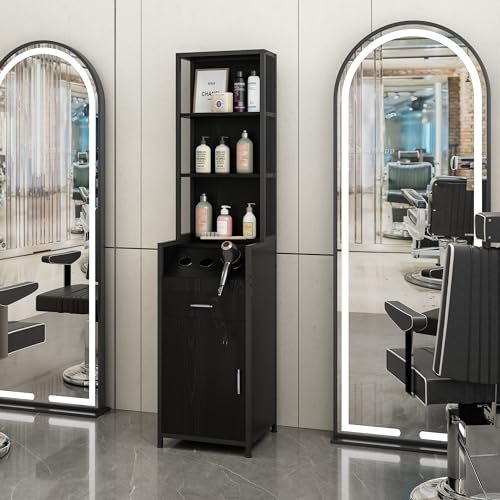
RESHABLE Salon Station for Hair Stylist,Wall Mount Barber Station with 3 Hot Tool Holders,Hair Styling Storage Cabinet with Shelves, Salon Furniture for Barber Shop, Salon, Spa

K-Concept Hair Salon Chair Styling Heavy Duty Hydraulic Pump Barber Chair Beauty Shampoo Barbering Chair for Hair Stylist Women Man
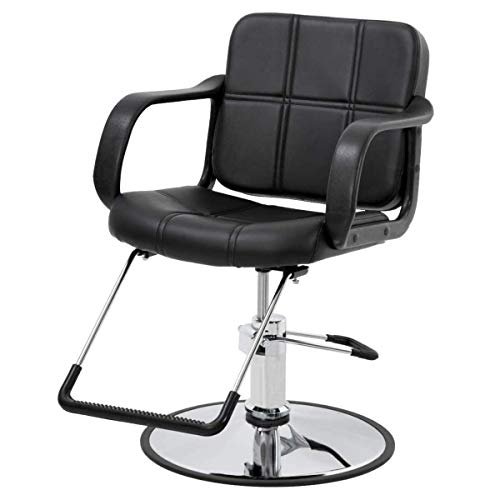
Salon Barber Hydraulic Hairdresser Styling Chairs, 360° Rolling Swivel Shampoo Salon Equipment w/Professional Grade Steel Frame & Hydraulic Pump, Shampoo Barbering Chair for Hair Stylist Women Man
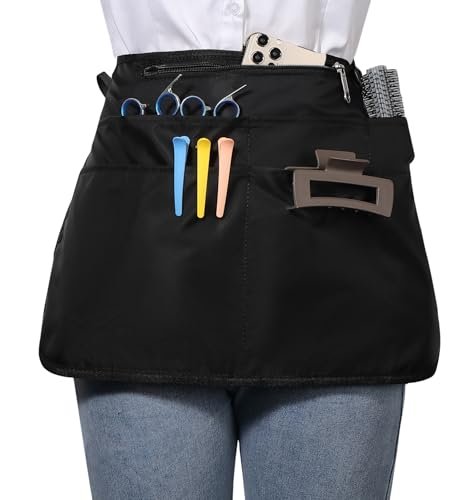
Barber Apron with 6 Pockets, Waterproof and Bleach-proof Hair Stylist Apron for Men Women,Hairdresser Apron for Cosmetology

TASALON Ultimate Salon Trolley Space Saving Rolling Cart with 6 Lockable Trays & 2 Tray Holders Multipurpose Salon Station Cart
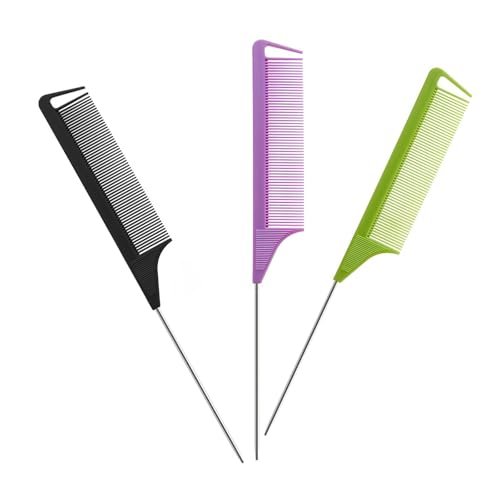
Professional Metal Pin Rat Tail ABS Heat-Resistant Comb, Tangle Teaser 3Pc Set Salon Stylist Hairbrush, High-End Women Curl Part Section Fine Kames

HREW Handle Mirror - Large Rectangular Hand Held Mirror with Double Handle - Lightweight Hair Salon Equipment Hairstylist and Barber Accessories

Leaddol Scrubs for Women Sets Cool Stretch Scrub Tops and Jogging Scrub Pants Nurse Uniform Jogger Suit with 7 Pockets
Supreme Court Just Rewrote Voting Rights: Louisiana Black District Ruling Could Reshape Representation Nationwide
Get hairstyle inspiration, expert hair-care tips and products worth discovering delivered to your inbox.