post
You Are Not Finished: The Reinvention of a Mother After the Children Leave the Nest!

Written By: Charron Monaye
When the house goes quiet, it can feel like something has shifted far beyond the absence of daily noise. Empty nesting is often described as a season of freedom, but for many mothers it begins with something more complex, adjustment, reflection, identity disruption, and an unfamiliar kind of stillness that can feel both peaceful and painful at the same time.

For years, motherhood is not just a role, but a rhythm. Life is shaped around caregiving, protection, emotional support, scheduling, anticipating needs, and constant emotional labor. “Mom” becomes an identity deeply woven into purpose and routine, often leaving very little space to separate who she is from what she does. So, when children grow up and begin building lives of their own—through college, careers, military service, or starting families—the shift is not only physical distance. It is emotional and internal. The structure that once defined each day changes, and what remains is often a mix of pride, grief, confusion, and quiet questioning. The urge to call, to advise, to step in, to protect does not disappear overnight. It lingers, especially in moments of uncertainty or silence. Learning to release control does not mean losing love, it means allowing love to evolve into trust, space, and emotional maturity on both sides.

And while fathers also experience this transition, research in psychology and family systems often shows that mothers tend to experience empty nest grief more intensely and more emotionally. From a psychological standpoint, several factors contribute to this difference:
Identity fusion and role centrality
In many families, especially where mothers carry the majority of caregiving, identity becomes more fused with the parenting role. Psychologists refer to this as role engulfment—when a single role (like “mother”) becomes the primary source of identity. When children leave, it is not just a lifestyle change; it can feel like an identity disruption.
Emotional labor and attachment patterns
Mothers are often the primary emotional regulators in the household. They track feelings, anticipate needs, and provide ongoing emotional support. This creates a deep attachment structure where connection is maintained through daily interaction. When that interaction decreases, the nervous system can interpret it as separation or loss.

Attachment and caregiving investment
Attachment theory suggests that the primary caregiver often develops a heightened emotional attunement to the child’s needs. For many mothers, this attunement continues into adulthood, which can intensify feelings of longing, worry, or emotional withdrawal when distance increases.
Social conditioning and self-sacrifice norms
Culturally, women are often conditioned to equate love with sacrifice and self-neglect. Many mothers are praised for how much they give, not how much they receive. Over time, this can make personal identity feel secondary to caregiving identity.
Loss of daily emotional rhythm
It is not only the absence of children that is felt—it is the absence of daily micro-moments: checking in, solving problems, offering care, being needed. When that rhythm disappears, the emotional system adjusts slowly, sometimes painfully.
None of this means fathers do not grieve. It means the emotional structure of caregiving often places mothers in a more continuous, immersive bond that makes separation feel more internal and identity based.
Empty nesting is not just loss, it is layered emotion. Mothers can feel deep pride in their children’s independence and still feel an ache in their absence. One does not cancel out the other. This is where many women struggle in silence: they assume they should only feel happiness when their children grow and leave home. But emotional maturity in this stage means allowing both truths to exist at the same time—pride and grief, freedom and loss, joy and uncertainty. Nothing about loving your children deeply disappears; it simply begins to take a new shape.

Learning to face the new reality
1. You are allowed to grieve what is changing ~ This is not about failure. It is about transition. Grief is not only for loss—it is for life shifting form.
2. You don’t have to manage their lives to love them~ Love evolves. What once looked like daily direction now becomes trust, listening, and support without control.
3. Rebuilding yourself is a slow return, not a sudden reinvention~ Identity does not come back all at once. It returns in fragments—through curiosity, rest, creativity, connection, and small choices made for yourself.
4. Silence is not emptiness—it is space returning to you~ At first, the quiet feels unfamiliar. But over time, it becomes room to think, breathe, and hear yourself again.
5. You are not becoming less—you are becoming more of you~ You are still a mother. But you are also still a woman with interests, desires, and dreams that were never meant to disappear.
And here is something many mothers need to hear clearly in this season:
You have permission to start with yourself now.
Not after everything is figured out.
Not when guilt fades completely.
Not when you feel “ready enough.”
Now.
That permission is not selfish, it is necessary. Because your life did not end when your children grew up. It simply opened a new chapter where you are no longer only giving life—you are allowed to live it again.
You are not losing your children—you are meeting yourself again
Empty nesting is not the end of motherhood. It is the expansion of identity beyond it. The relationship with your children continues to evolve, but so does your relationship with yourself. So, when the house goes quiet, it is not only absence you are hearing. It is space. And in that space, something quietly returns:
YOU!!!!
Trending Products .
More to read
Editor's picks
Trending products
Haircutify is reader-supported. Some links on this page are affiliate links, and we may earn a commission if you buy through them. This never affects which products we recommend. Prices and availability are set by the retailer.
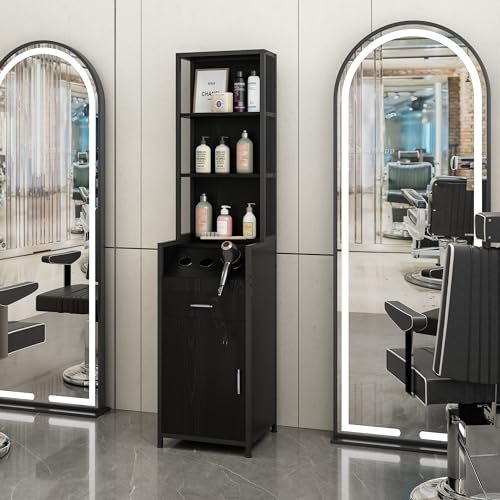
RESHABLE Salon Station for Hair Stylist,Wall Mount Barber Station with 3 Hot Tool Holders,Hair Styling Storage Cabinet with Shelves, Salon Furniture for Barber Shop, Salon, Spa

K-Concept Hair Salon Chair Styling Heavy Duty Hydraulic Pump Barber Chair Beauty Shampoo Barbering Chair for Hair Stylist Women Man
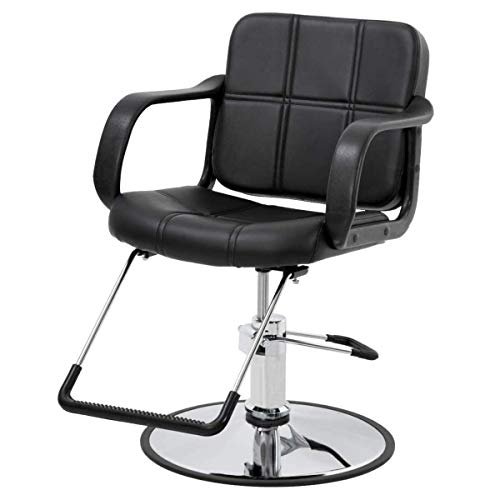
Salon Barber Hydraulic Hairdresser Styling Chairs, 360° Rolling Swivel Shampoo Salon Equipment w/Professional Grade Steel Frame & Hydraulic Pump, Shampoo Barbering Chair for Hair Stylist Women Man
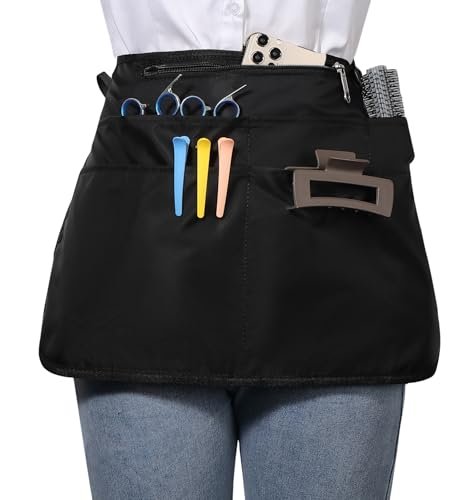
Barber Apron with 6 Pockets, Waterproof and Bleach-proof Hair Stylist Apron for Men Women,Hairdresser Apron for Cosmetology
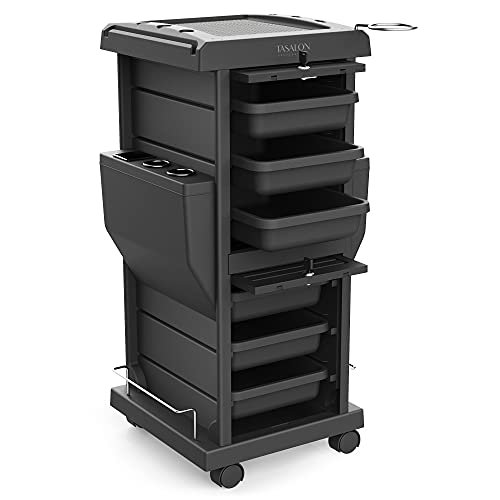
TASALON Ultimate Salon Trolley Space Saving Rolling Cart with 6 Lockable Trays & 2 Tray Holders Multipurpose Salon Station Cart
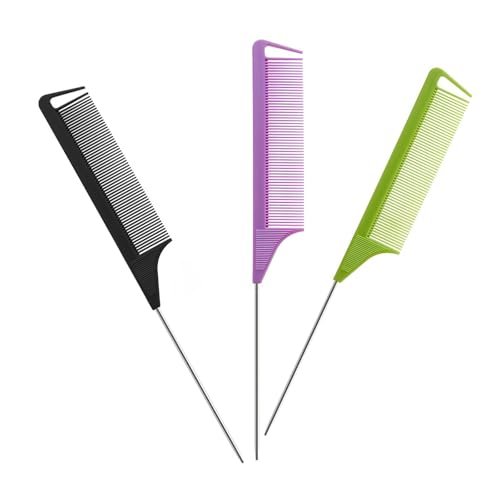
Professional Metal Pin Rat Tail ABS Heat-Resistant Comb, Tangle Teaser 3Pc Set Salon Stylist Hairbrush, High-End Women Curl Part Section Fine Kames

HREW Handle Mirror - Large Rectangular Hand Held Mirror with Double Handle - Lightweight Hair Salon Equipment Hairstylist and Barber Accessories

Leaddol Scrubs for Women Sets Cool Stretch Scrub Tops and Jogging Scrub Pants Nurse Uniform Jogger Suit with 7 Pockets
You Are Not Finished: The Reinvention of a Mother After the Children Leave the Nest!
Get hairstyle inspiration, expert hair-care tips and products worth discovering delivered to your inbox.